The City of the Oracle of Mops: Ancient Mopsuestia on the Banks of the Ceyhan
Mopsuestia (Greek: Mopsuestia, Turkish: Misis) is one of the oldest and, at the same time, most underrated archaeological sites in Cilicia. This multi-layered city on the banks of the Ceyhan River (ancient Pyram) was situated at a strategically important crossroads between Anatolia, Syria, and Mesopotamia. For over two millennia, Greeks, Romans, Armenians, Byzantines, Arabs, and Seljuks succeeded one another here, and each era left its mark on the city’s stone chronicle. Today, all that remains of its ancient splendor are impressive ruins: a Roman stone bridge across the Ceyhan, remnants of the city walls, a basilica with a unique mosaic of Noah’s Ark, and a small mosaic museum right on the grounds. Mopsuestia isn’t among the “stars” of Turkish archaeology like Ephesus or Hierapolis, and that’s part of its special charm—there are almost no tour groups here, and you can wander alone through the grassy hills, imagining life on the Cilician frontier.
History and Origin
According to Greek mythology, the city was founded by the legendary seer Mopsus—the son of Manto and the hero Rakius (according to another version, Apollo himself). Mopsus was considered one of the greatest seers of the ancient world, and legends date his life to the post-Trojan era, that is, the 12th century BCE. Archaeological evidence confirms that a settlement existed at this site as early as the 2nd millennium BCE, specifically when the Hittites, who controlled most of Asia Minor, also held sway over this territory.
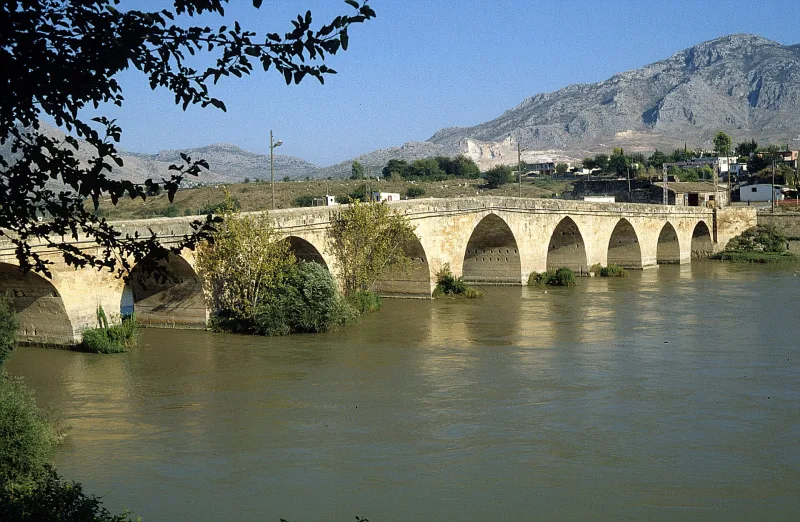
During the Hellenistic period, the city was part of the Seleucid Empire. It experienced a particular golden age under the Romans, who rebuilt Mopsuestia in the spirit of classical Roman urban planning: with a forum, thermal baths, a theater, and a stone bridge across the Ceyhan River. The bridge has survived to this day—it is one of the longest and best-preserved Roman bridges in Turkey, rebuilt during the Byzantine and Ottoman periods but retaining its ancient supports.
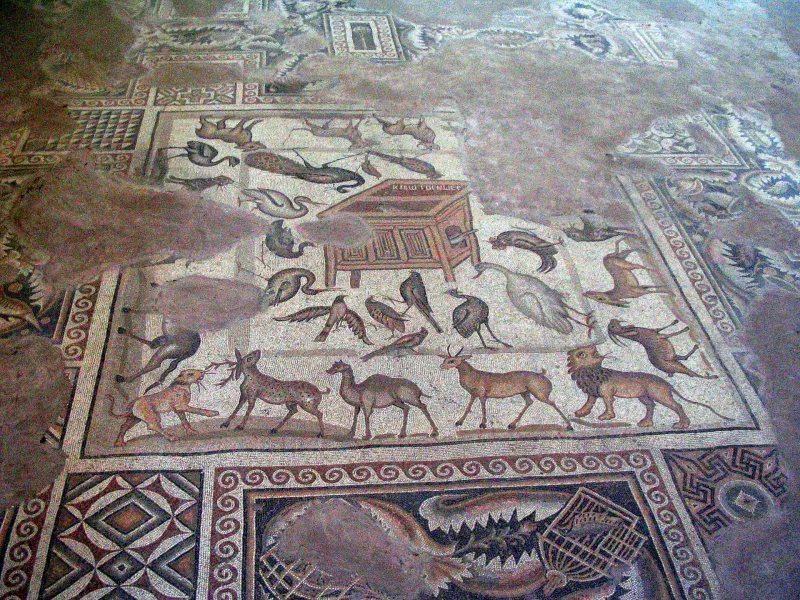
During the Late Roman and Byzantine eras, Mopsuestia became an important Christian center. Theodore of Mopsuestia—one of the greatest theologians of the Antiochene School of the 4th–5th centuries and Nestorius’s mentor—lived and preached here. The city served as the bishop’s residence and boasted numerous churches and basilicas. It was during this period that the famous mosaic of Noah’s Ark was created—one of the finest examples of early Christian mosaic art in Asia Minor.
In the 7th century, Mopsuestia fell under Arab rule and was renamed Al-Massissa. The city became a major border fortress of the Caliphate on the frontier with Byzantium and changed hands repeatedly. In the 12th century, the Crusaders and the Armenian rulers of Cilicia held sway here. After the Ottoman conquest, the city’s importance waned, and it gradually turned into the small village of Misis. Systematic archaeological excavations began in the 20th century and continue to this day.
Architecture and What to See
The Mopsuestia archaeological zone is located on both banks of the Ceyhan River, and you should set aside at least 1.5–2 hours for a thorough visit. The main sites are scattered across the area, and it’s best to walk along the marked trails.
The Roman Bridge over the Ceyhan
Mopsuestia’s main landmark is the massive stone bridge across the Ceyhan River. It is over 300 meters long, supported by nine arches, and during the Byzantine period, it was flanked by fortified towers. The bridge is built of large blocks of sandstone and basalt; embedded within its structure are ancient elements—facing blocks with Roman inscriptions and fragments of columns, used as ready-made building materials. The bridge offers an excellent view of the city ruins and the river, which makes a picturesque bend here.
Basilica and Mosaic of Noah’s Ark
A few hundred meters from the bridge, the ruins of an early Christian basilica have been preserved. Its main treasure is a large 5th–6th-century mosaic depicting a scene with Noah’s Ark and animals, as well as ornamental compositions with plant motifs. The mosaic is well-preserved thanks to a centuries-old layer of earth that protected it from vandals. Today it is on display in a specially built museum pavilion (Misis Mozaik Müzesi).
City Walls and Fortress
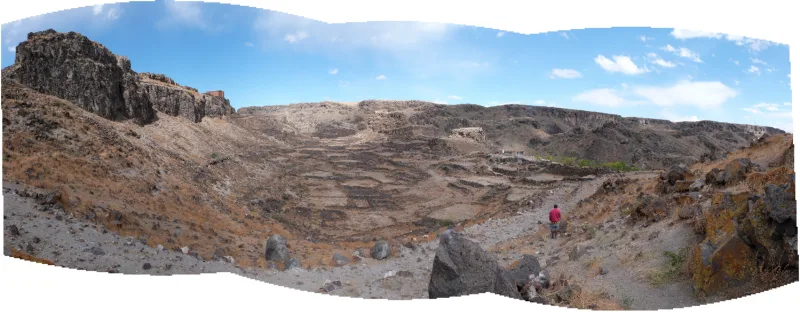
On a hill above the city stand the remains of a medieval fortress with towers and fragments of walls. Part of the masonry dates back to the Byzantine and Armenian periods, while another part is from Arab-era renovations. The hilltop offers a panoramic view of the Ceyhan Valley and the fertile Çukurova Plain.
Theater and Forum
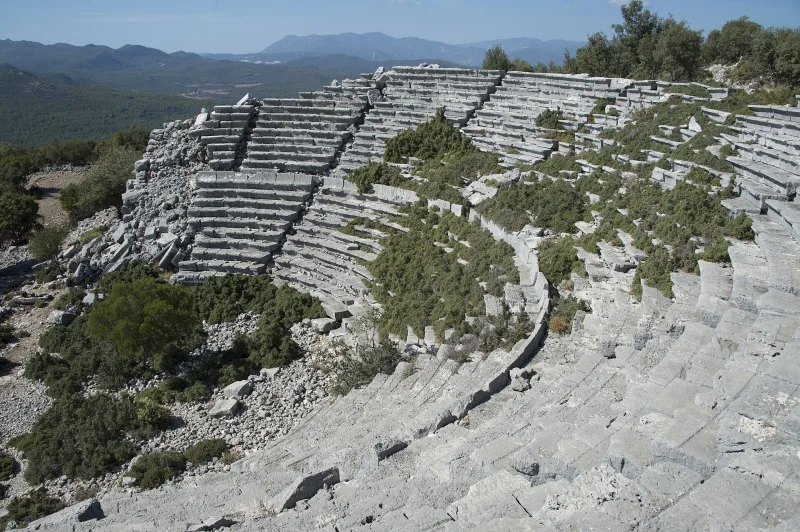
Archaeologists have managed to uncover the outlines of a Roman theater and fragments of the forum square, though a significant portion of these structures still awaits excavation. The supporting walls of the cavea are visible, along with fragments of columns and capitals scattered across the field.
Misis Museum
A small modern museum houses finds from the excavations: mosaic fragments, inscriptions, pottery, coins, and sculptures. The numismatic collection is particularly interesting: Mopsuestia minted its own coins during the Hellenistic and Roman periods.
Interesting Facts and Legends
- The city’s name is linked to the legendary oracle Mopsus, who was considered in antiquity to be a more accurate prophet than Calchas himself—the prophet of the Greek army at Troy.
- Theodore of Mopsuestia, who lived here in the 4th–5th centuries, is considered one of the founders of the Antioch School of Exegesis, which influenced the development of Eastern Christianity.
- The Roman bridge across the Jaxartes River was used for its intended purpose until the 20th century—nearly 1,800 years of continuous service.
- During the Arab period, the city was part of the so-called as-Sughur—the border fortresses of the Abbasid Caliphate that protected Syria from Byzantine raids.
- The mosaic of Noah’s Ark from Misis is considered one of the earliest and most detailed Christian mosaics with a biblical theme in Asia Minor.
- Coins minted during the reign of Alexander the Great have been found within the city limits, indicating active trade during the Hellenistic era.
- In the 1990s and 2000s, underground Byzantine crypts with remnants of frescoes were discovered in the vicinity of Mopsuestia; these have not yet been fully studied by archaeologists.
How to get there
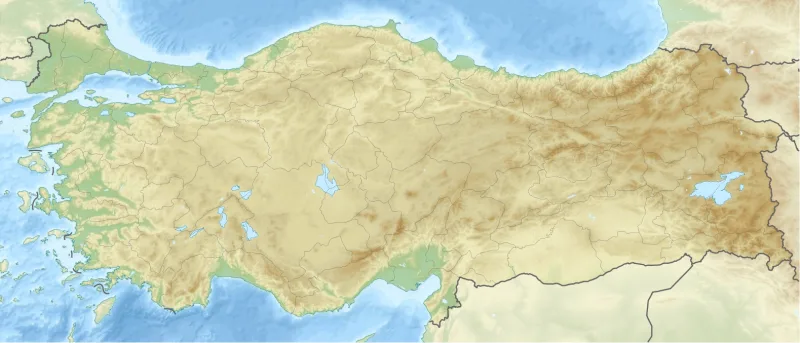
Mopsuestia (Misis) is located about 25 km east of Adana, toward Osmaniye. By car, the drive from the center of Adana takes about 30 minutes along Highway D-400, which leads toward the Syrian border; the necessary turn is marked by signs for Yakapınar (the modern name of the village) and Misis. If you don’t have a car, the most convenient option is to hire a taxi for half a day or join a tour: public transportation here is infrequent and not always convenient for tourists. Suburban minibuses run from the Adana Bus Terminal (Adana Otogarı) toward Ceyhan and Osmaniye; you can ask the driver to drop you off at the turn for Misis, and walk from there (about 1–1.5 km). The trip from Osmaniye to Misis takes approximately 35–40 minutes. Adana Airport (ADA) is located 35 km from the archaeological site, and Gaziantep Airport is 200 km away. It’s convenient to combine a visit here with a trip to other Cilician landmarks—the Yılankalesi Fortress, Anavarza Castle, and the coast near Mersin.
Tips for travelers
Mopsuestia is a typical “open-air” archaeological park with no ticket booths at the ruins: admission to the site is free; you only pay a nominal fee to visit the mosaic museum. The museum’s hours may vary by season, so check before your trip; it is usually open from 8 :30 to 17 :00 with a lunch break, closed on Mondays. The best time to visit is spring (March–May) and fall (September–November): it’s not too hot during these months, and the Çukurova steppes are covered with grass and wildflowers. In summer, temperatures can reach 38–40 degrees, and it’s difficult to be on the ruins without a hat and water. In winter, rain and mud are possible—the rocky paths become slippery. Footwear must be closed-toe with sturdy soles: the terrain is full of rocks, marble fragments, and uneven surfaces. Don’t forget water, sunscreen, and, ideally, binoculars—some architectural details are best seen from a distance. It’s helpful to download offline maps in advance: there are signs on site, but they’re sparse. For a better understanding of the context, visit the Adana Archaeological Museum, which houses a large collection of artifacts from Mopsuestia and where you can see original mosaics and inscriptions. There are usually no guides on site, but sometimes you can arrange for the museum custodian to guide you for a separate fee. And one last thing: remember that the area is, in essence, an active village—treat the residents with respect, do not enter private properties, and do not photograph people without permission.